
The short answer
Raising your standards means deciding what you will no longer tolerate, then keeping the promises you make to yourself. Across my Shorts on self respect, I keep saying the same thing: your reality does not change until your standards do. Some people will pull away when you change, and that lonely stretch is a phase, not a sign you got it wrong.
In this post
It's late, and your phone lights up. It's the person who only ever gets in touch when they need something. You already know what they want, and before you've even finished reading, you've typed "yeah, no worries". Then you put the phone down and feel a little bit smaller than you did five minutes ago.
Or it's the alarm you set last night, because this was the week you were finally going to start. You turn it off, tell yourself you'll go tomorrow, and roll over. Nobody else knows. But you do.
Neither of those moments looks like a big deal. Nobody shouted at you and nothing fell apart. But add them up over a year and they tell you exactly what you think you're worth.
I post a Short every day, and self respect is the thing I keep coming back to: standards, knowing your worth, and choosing yourself when it would be easier not to. This post puts the best of what I said in those Shorts in one place, so you can sit with it properly instead of catching it for a few seconds while you scroll.
What does it mean to raise your standards?
Raising your standards means deciding what you will no longer accept, from other people and from yourself, and then sticking to it. It sounds simple, and it is. The hard part is that you have to do it before anything around you has changed.
In one Short I shared a quote that I said changed everything for me, and I still think it says it best.
"Your reality doesn't change until your standards do. ... It's about what you're no longer willing to tolerate."
Most people wait for their life to change and plan to feel better about themselves once it does. It works the other way round. You decide what you're done putting up with first, and the rest starts to move after that.
When I talk about what drains you, I mean the stuff you already know about. The friend who only rings when they want something. The late nights on your phone when you said you'd get some sleep. The job where you keep saying yes to extra work and nobody notices. You don't need me to tell you what's on your list. You've probably thought about it more than once this week.
Why does breaking promises to yourself hurt your confidence?
Breaking promises to yourself hurts your confidence because every time you let yourself off, you learn that your own word doesn't count. In my Short on standards, I said the biggest thing holding you back isn't your talent and it isn't your opportunities. It's the bar you've set for yourself.
The way it happens is quiet. You say "just this once". You say you'll start tomorrow. You tell yourself it doesn't really matter.
"It's not that serious, but it is serious. ... Every time you break a promise to yourself, your confidence drops."
Think about a mate who keeps saying they'll turn up and never does. After a while you stop believing them. You're not even angry, you just stop expecting anything. The same thing happens inside your own head when you keep cancelling on yourself.
So the answer isn't a massive new routine. The answer is a line you don't go below. In that same Short I talked about deciding "this is who I am now" and not moving that line for anyone, not for comfort and not for fear. Then I said the bit I believe most: the moment you fully commit to yourself, life starts committing to you.
Pick a line small enough that you can actually keep it. Ten minutes of walking. Your phone in another room by eleven. One honest "no" this week. Keeping a small promise every day will do more for how you see yourself than making a big one and dropping it by Thursday.
If you want help with that, my free 30 day plan sets out small, clear steps for each day, so you're not relying on how you feel that morning.
Why do you lose people when you raise your standards?
You lose people when you raise your standards because some of them only liked the version of you that always said yes. I made a Short about knowing your worth even when it gets lonely, and near the start of it I said this.
"Some people ... only like you when you're easy to use, when you over give."
In that Short I said the moment you change that, they change too. Most people are comfortable with you until your boundaries limit their access. The second you say no and pull back, they get mad, and not because you did something wrong. They get mad because they lost something.
Go back to that late night message from the start. The first time you reply "sorry, I can't tonight", there's a good chance you'll get a short answer back, or nothing at all. It will feel like you've done something wrong. You haven't. You've just stopped being available on demand.
Then comes the part nobody warns you about. You've stepped back from some of your old circle, and you haven't found your new one yet. I called that phase lonely, and I meant it, but I also said it's necessary. That gap is where you work out who you actually are, what you like, what you stand for and what you won't put up with any more.
I finished that Short by saying that if honouring yourself costs you people, good, because they were never your people to begin with. The right people won't need you to shrink. You won't have to chase them or prove yourself to them. It will just fit.
How do you know your worth when you feel like you're not enough?
You know your worth by deciding what you think of yourself before anyone else gets the chance to decide it for you. I said it plainly in one of my Shorts.
"Above all else, you must develop a strong opinion of yourself ... because if you don't, you will internalize the beliefs of others."
That's what the title means. If you don't build your own idea of who you are, the people around you will hand you theirs, and you can end up living by it for the rest of your life. If you don't choose you, they will.
A lot of people have been told who they are by somebody else. A parent who called you the lazy one. An ex who made you feel like too much. A boss who only ever noticed the mistakes. You might not even believe those voices, but you've heard them so often that they've started to sound like your own.
Having a strong opinion of yourself doesn't mean being big headed. It means having your own answer ready. When the old voice says you're not enough, you've got something to say back.
In another Short, I talked straight to anyone who feels like they're not enough. I told them they deserve good things to happen to them, they deserve to be loved in every way they've ever dreamed of, and they deserve a good life. If nobody has said that to you in a while, I'm saying it now. You can find more like it on my videos page.
What does self respect actually look like?
Self respect looks like being honest with yourself about where you let yourself down, without tearing yourself apart for it. In a Short about looking back on your year, I asked people to scroll their camera roll all the way back to the start of the year and look at it honestly.
Where did you drop the ball? Where did you take on too much? Where did you abandon yourself trying to keep everything else afloat?
For a lot of people, the answer isn't that they're lazy. Maybe this was meant to be the year you got in shape and it didn't happen. In that Short I said it might not be because you lack discipline, but because you were exhausted, because you were carrying everyone else, because you kept putting yourself last. That isn't a character flaw. Pretending it didn't happen is what keeps you stuck.
"Because this is what self respect actually looks like. ... You stop carrying the weight of last year into the next one."
In that Short I said the same honesty means you stop lying to yourself, and you stop sugarcoating the patterns you've already outgrown. Telling yourself the truth about what drained you doesn't make you a negative person. I said you're being deliberate. Owning where you are, with no shame, no spiralling and no excuses, is the first standard you set. Every other standard sits on top of it.
One thing you can do today to raise your standards
One thing you can do today to raise your standards is pick a single thing you're done tolerating and keep one promise about it. Just one. You don't need a whole new life by Monday.
Write it down as one sentence. "I'm not answering work messages after nine." "I'm going for a walk before I open my phone." "I'm not lending money to people who never pay it back." Make it small enough that you'll actually do it today.
Then do it, and notice how you feel about yourself tonight compared to this morning. That feeling is your confidence coming back, one kept promise at a time.
Some people won't like the new line. That's alright. Stay solid, and your circle will catch up to your standards.
If you want something to keep you going after today, the 30 day plan is free. There's more on standards and the rest of it on the blog.
What to take from this
- Write down one thing you are no longer willing to tolerate, because your reality does not change until your standards do.
- Keep one small promise to yourself every day, because each broken promise knocks your confidence.
- Expect some people to pull back when you start saying no, and do not take it as proof that you did something wrong.
- Treat the lonely gap between your old circle and your new one as the time you work out what you stand for.
- Decide what you think of yourself before other people decide it for you.
Questions people ask
How do I raise my standards?
You raise your standards by naming one thing you will no longer tolerate and keeping a small promise about it every day. In my Shorts on self respect I say your reality does not change until your standards do.
Why do people leave when you raise your standards?
People often pull back when you raise your standards because they were comfortable with how much of you they could have. When your boundaries limit that access, some of them get annoyed, which says more about what they lost than about anything you did wrong.
How do I know my worth?
Knowing your worth starts with forming your own strong opinion of yourself, so you are not living by other people's beliefs about you. You back that opinion up by keeping the promises you make to yourself.
Is it normal to feel lonely after setting boundaries?
Feeling lonely after you set boundaries can be part of it, because there is often a gap between outgrowing your old circle and finding a new one. I call that phase lonely but necessary, because it is where you work out who you are and what you stand for.
What does self respect actually look like?
Self respect looks like being honest with yourself about where you let yourself down, with no shame and no excuses. It means you stop lying to yourself, stop sugarcoating old patterns and stop carrying last year's weight into the next one.
Why do people pull away when you raise your standards?
When you raise your standards, some people pull away because the old version of you suited them. That lonely stretch is a phase, not a sign you got it wrong.
Did this one land?
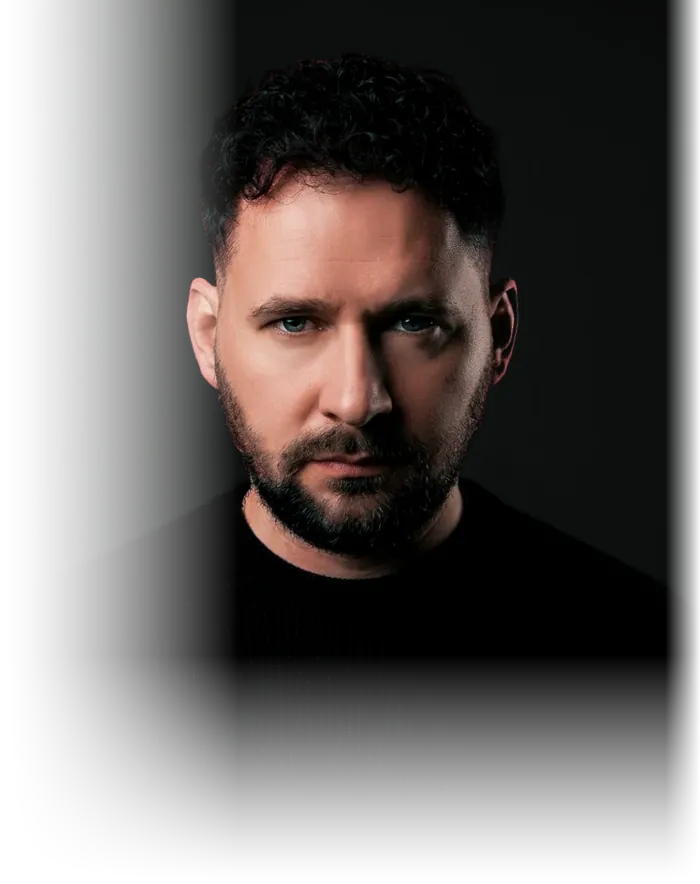
JBHost of The JB Podcast. I talk to people who have done hard things and write down what I learn. More about me
Read next
- Letting goFrom my ShortsHow to Let Go of Someone You Can't Stop Thinking AboutHow to let go of someone you can't stop thinking about. What I keep saying in my Shorts on letting go, from closure to no contact.
- OverthinkingFrom my ShortsHow to Stop Overthinking and Start Living Your LifeHow to stop overthinking, in my own words. Why replaying everything drains you, and the small actions that get you out of your head.
 From the videosHow to Build Self Confidence With the 4 PillarsHow to build self confidence with the 4 pillars: perspective, perception, practice and authenticity, in plain words, with one thing to do today.