
The short answer
You stop overthinking by doing something, not by thinking harder. The idea I keep coming back to is simple: worrying doesn't protect you from tomorrow, it drains the energy you need for today. So send the message, make the call or take the small step you keep putting off.
In this post
It's gone one in the morning and you're still awake. Nothing is wrong, not really. You're lying there going back over something you said at work, or the way someone looked at you when you said it. You play it again. You think of what you should have said. Then your mind jumps to tomorrow and starts on that instead.
Or it's the text message. You've typed it out four times, deleted it three times, and it's still sitting there unsent while you work out every way it could be read.
If that sounds like you, you're who I make these Shorts for. I post one every day, and I've made 83 on overthinking alone. It's a subject I keep coming back to, and I think it's one of the easiest things to miss in yourself, because from the inside it feels like you're just being careful.
This post puts what I've said in those Shorts in one place, so you can read it in one go instead of catching it a minute at a time.
Why do I overthink everything?
Overthinking usually starts with two habits: replaying what already happened and worrying about what might happen next. I said in one of my Shorts that overthinking is the biggest cause of unhappiness, because constantly going over situations and outcomes steals your peace. I still believe that.
What makes it hard is that it rarely feels like a choice. You don't decide to lie awake replaying a conversation. It just starts, and before you know it an hour has gone.
I did a Short on a quote that's usually credited to Carl Jung, about making the unconscious conscious. The way I explained it, if you don't understand your fears and patterns, they keep controlling your decisions without you even realising it. That's why noticing it matters so much. The first time you catch yourself and think, I'm doing it again, you've already got a little bit of distance from it.
There's another one I shared, usually credited to Michel de Montaigne, about people who fear they will suffer already suffering because they fear. I explained it as overthinking pain creating emotional pain before anything has even happened.
You know that one. You spend a whole week dreading a conversation, then the conversation takes ten minutes and it's fine. You suffered for a week over something that lasted ten minutes.
What does overthinking actually cost you?
Overthinking costs you energy, and it costs you the day you're actually living in. Most of us tell ourselves that worrying is a way of being ready, as if thinking through every bad outcome will protect us from it. I don't think it works like that.
"Simply explained, worrying doesn't protect you from tomorrow."
All it does is drain the energy you need for today, and that's the part people miss. Tomorrow's problem still turns up whether you worried about it or not. The only difference is how tired you are when it does.
The other cost is that you stop moving. Weighing up every option can feel like work, because your head is busy, but nothing is actually getting done.
"Thinking isn't doing."
In that Short I explained that we can spend so much time analysing every possibility that we never take action. That's what people call paralysis by analysis. The job you mean to apply for, the gym you keep meaning to join, the idea sitting in the notes on your phone. You've thought about all of them a lot already. Thinking about them more won't move any of them.
How to stop overthinking by taking action
The fastest way I know to stop overthinking is to do the thing you're overthinking about. Not plan it better or wait for the perfect moment. Just do it, because action is often the cure for overanalysing.
In another Short I talked about how being busy actually helps with this. When your days are full of things that really matter, you don't have the spare time to obsess over whether every little detail is perfect. You can't spend an afternoon worrying about the wording of an email when you've got five other things to do.
"You send the damn email and you move forward. ... The more you do, the more you become."
The idea behind that is that constraints create clarity. A deadline takes away the time you'd normally spend second guessing yourself. So if you're stuck on something, give it a time limit. Send the email before lunch. Make the decision by Friday. Pick a date and book it.
You probably won't feel ready first, and I don't think you're meant to. The feeling of being ready tends to turn up after you've started, not before. Waiting for it is just more overthinking with a nicer name.
If you want help building that habit one day at a time, the free 30 day plan sets out small, clear steps for each day, so you're not waiting for your head to give you permission.
How do I stop overthinking what people think of me?
You stop overthinking what people think of you by realising how little they're actually thinking about you. That sounds harsh, but it's meant to take the pressure off. Most people are too busy worrying about themselves, and they're asking the same question you are: what do they think of me?
"No one is analyzing how you walk, talk, or look as much as you think they are."
Think about the last time you walked into a room and felt like everyone noticed you. Now try to remember what anyone else in that room was wearing. You probably can't, and they can't remember what you had on either.
In that same Short I said you'll stop caring about other people's opinions the second you find something more important to focus on. Your health, your career, building a life you actually like. If your energy is tied up in what someone else might be thinking, it isn't going into any of those.
I also said to own your flaws. When you stop hiding the things you're insecure about, there's less to protect, and in my opinion people respect someone who is real far more than someone trying to look perfect. If somebody's opinion doesn't pay your bills, grow your mind or improve your life, I don't think it deserves the power to control you.
Can you change how you see a situation?
You can change how you see a situation, and I think it's one of the most useful things an overthinker can learn. Two people can go through the same thing, like a rejection, a bad review or a plan falling through, and walk away with completely different stories about what it means.
I did a Short on a line from Shakespeare: there is nothing either good or bad, but thinking makes it so. The way I explained it, events are neutral, and it's your mind that stamps them as a disaster or an opportunity.
"Change the label and you change the outcome."
I'm not saying you should pretend bad things are good. If you lose your job, it hurts, and it's allowed to hurt. The point is that an overthinking mind usually reaches for the worst label first, the one that says this proves you're not good enough. You're allowed to stop and ask whether there's another label that's just as true. Maybe it's the push you needed to try something else.
It's the same with a John Milton quote I shared, about the mind being its own place. I explained it as your thinking being able to turn anything into stress or peace. Overthinking picks stress without asking you. Catching it is what gives you the chance to pick something else.
One thing to do today to stop overthinking
The one thing to do today to stop overthinking is to take the action you've been replaying in your head. Not the biggest one on the list. Just one.
In one of my Shorts I listed the kind of things I mean. Buy the car was the first one on the list, and then this.
"Ask for the number, send the message, have the conversation, book the holiday ... life is happening right now in this moment."
So pick yours. It might be the text you've been drafting, the email you keep opening and closing, or the conversation you've been having in your head for weeks. Give yourself a time limit, ten minutes is plenty, and do it before the time runs out.
Then notice how you feel afterwards. The thing you were dreading is usually smaller once it's done, and your head gets quieter, because there's nothing left to replay.
If overthinking has got to the point where it stops you sleeping or getting through the day, talking to someone you trust, or to your GP, is a good next step. You don't have to sort it out on your own.
If you want something small to do each day after this, the 30 day plan is free. You can watch more of what I make on the videos page, and there's more like this on the blog.
What to take from this
- Notice when you are replaying a conversation or a worry, and call it overthinking rather than pretending it is planning.
- Pick the message, email or decision you keep putting off and do it today, before you feel ready.
- Give yourself a deadline, because a short time limit leaves less room to second guess everything.
- Remember that most people are too busy worrying about themselves to be judging you.
- When something goes wrong, ask whether you have labelled it a disaster when it could just as easily be an opportunity.
Questions people ask
How do I stop overthinking?
My answer is to take action. Thinking isn't doing, so pick one small thing you have been putting off, like sending the message or making the call, and do it before you have finished analysing it.
Why do I overthink everything?
Overthinking usually comes from replaying what already happened and worrying about what might happen next. Fears and patterns you don't understand keep steering your decisions until you start to notice them.
What is paralysis by analysis?
Paralysis by analysis is when you spend so long weighing up every possibility that you never take action. Progress comes from doing, not endless planning.
How do I stop overthinking what people think of me?
Most people are too busy worrying about themselves to be watching you. Find something more important to focus on, like your health or your career, and other people's opinions take up far less room.
Does overthinking drain your energy?
Worrying doesn't protect you from tomorrow, it drains the energy you need for today. Overthinking a problem that hasn't happened yet means you feel the pain of it before anything has gone wrong.
Did this one land?
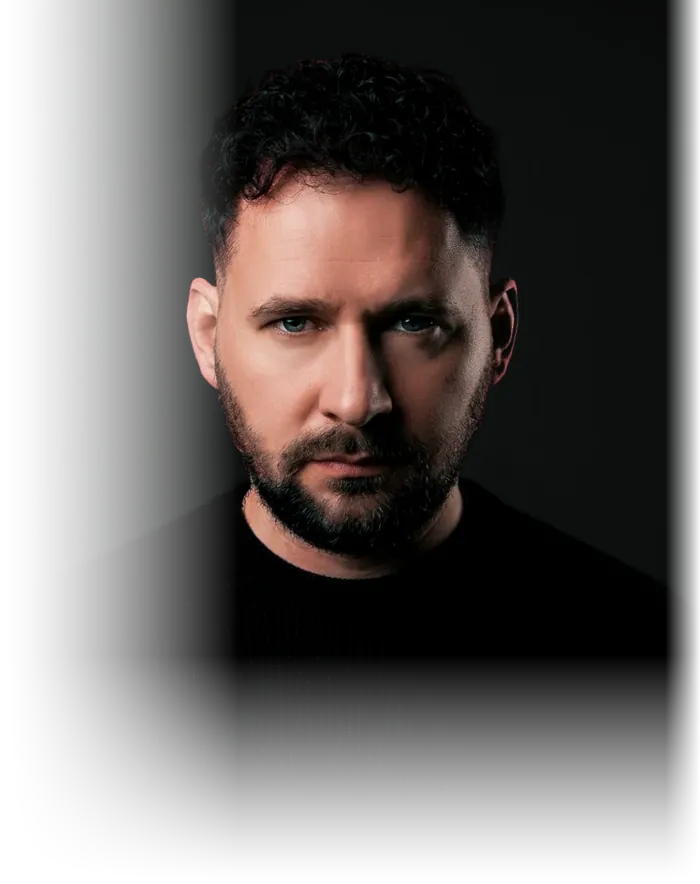
JBHost of The JB Podcast. I talk to people who have done hard things and write down what I learn. More about me
Read next
 From the conversationsHow to Control Nerves Under Pressure: Olympian Harry HepworthHow to control nerves under pressure. Olympic medallist Harry Hepworth told me how he uses his nerves and moves on fast after a bad routine.
 From the conversationsHow to Calm Your Nerves Before Something Big: Joseph HolmesHow to calm your nerves before something big. Former UFC fighter Joseph Holmes told me how box breathing and one reminder keep him steady.
 From the conversationsHow to Perform Under Pressure: Rani Yahya on Using FearHow to perform under pressure. UFC veteran Rani Yahya told me to embrace fear, step back from your thoughts and feel grateful before you start.