
Dr Paulie on Deliberate Coaching, Behaviour Science and His Book
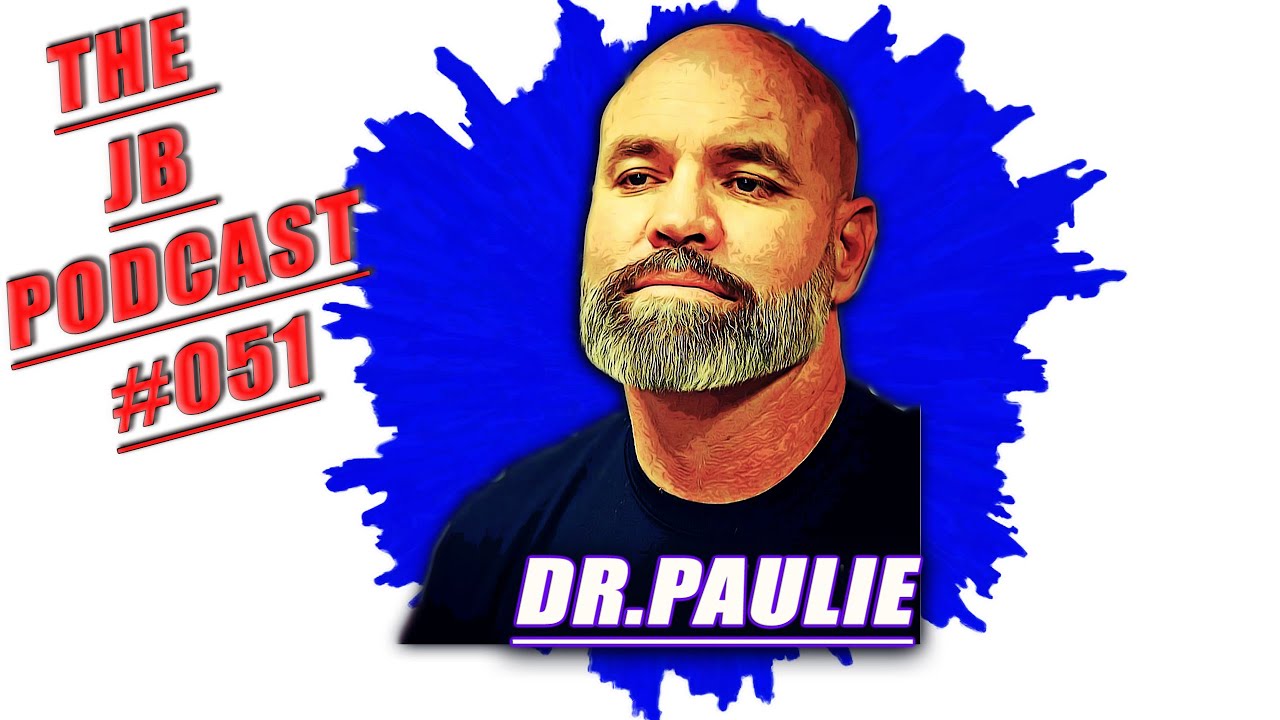
What this video is about
In this episode, Dr Paulie talks about his book Deliberate Coaching: A Toolbox for Accelerating Performance, and the argument behind it.
His case is that coaching is treated as an instinct rather than a skill, and that the behaviour science needed to make performance improvements stick is understood but almost never applied. He covers what teachers and coaches get wrong for the same reasons, and what to do instead.
About Paulie Dr Paulie is a coach and the author of Deliberate Coaching: A Toolbox for Accelerating Performance.
Jump to a moment
- Intro
- His new book
- Knowing when you cannot help
- How the book differs from other coaching books
- Applying the science to help people
- Treating the symptom instead of the cause
- Teaching a replacement behaviour
- Oppositional defiant disorder
- Bringing out the best in the people around you
- Applying the principles to MMA coaching
- Whether that explains rising anxiety in children
- Grades, and how much they actually matter
- Reinforcers, and supporting children
Full transcript
Read the whole transcript
Made automatically from the audio, so some words will be wrong. Tap a time to hear that part.
0:12and we are now live thank you for joining me today Paulie right man it's a pleasure good good to see you again yes it's been a while just for those listening obviously free audio we do also have video on YouTube which is at the jb podcast so feel free to check that out and paulie's just sort of released a book and I'd like you to just tell me about your your new book oh very cool man love talking about it so the new book is titled deliberate coaching a toolbox for accelerating performance and really it's about how to get people to perform in a way that's going to create
0:50sustainability so we know that what we did was that if you look up coaching in the dictionary you'll see a lot of very common terms and but nobody kind of quite defines it well so because I have a background in the behavioral sciences we've defined it using the science so what we say is that training because if I actually right now what the difference between training coaching you'd have to think about a little bit like really what is the difference between a trainer and a coach or specifically training coaching so training really has to do with skill acquisition teaching somebody a skill right getting them to perform
1:25that skill and coaching right the function of coaching is to help transfer that skill into the natural environment so if I'm training you as a fighter I might be able to teach you how to slip or roll from a punch and you can do that outside of the cage now I've got to get that skill to work in the cage and if it's a new skill for you I throw you in there and you start taking a beating you're gonna fall back on the old habits so the book takes the reader through a very deliberate approach for deliberate of coaching for developing skills and helping those skills to transfer and
1:58there's a whole science behind that so that's the premise of it tell me a little bit about your background in education as well yeah so um you know I've actually worked in education since 1995 you know he's going into different schools and I was picked up by a school as a therapist and in those days I was in the mental health field so my I had my Masters in Social Work and somebody said hey if you if you go around the corner and get this certification this training you can get paid you know fifty bucks an hour like you know cuz I was broke I'm like that sounds pretty cool it was
2:37on behavior my god like behavior let me go let me go sit in and find out more about it but man it changed my life it was applied behavior analysis that I was being trained in and it was like I was walking through life with foggy lens on until I find out about this actually very very misunderstood science so when I learned it and I started to see things a little bit differently I started to behave differently so like that the kids I was working with you know trouble kids kids that were dually diagnosed they had a mental health diagnosis and they might have been doing some sort of drugs or something like
3:12that and as I started to learn more about the science I started to apply it in my work and I was seeing some pretty important outcomes and I started to reflect on my own behavior and how my behavior was impacting those the people around me and my clients I was hired as a behavior analyst in a county in Florida and I was actually serving some kids and working with teachers and classrooms and the assistant superintendent after school had failed his squad got done very poorly in one year it went from a grade A down to an F it was like the kids had taken over the school I remember they said you know hey
3:46do you think you can get in there help them and I said no what the heck am I gonna do you know it was good it was crazy but I thought all right I'll give it a shot you know we're gonna need a team of folks and I thought well let me refer back to the literature on the science in them I'm sure somebody must be doing something using it and I couldn't find anything in particular but somebody said there's this book by Aubrey Daniels dr.
4:06Aubrey Daniels it's called bringing out the best in people and what it was was organizational behavior management which is the science of human behavior as applied to groups and organizations applied behavior analysis is typically a single subject design so it's like working with say if I was working with 100 fighters and so for our listeners I'm also a professional mixed martial arts coach I I also applied the science that training my fighters but rather than working with one person it allows you to work with in help improve the performance of groups of people so I started applying some of these basic concepts to the schools and man I was we were getting really
4:43important outcomes and then I replicated it worked with some principals to replicate it ended up writing now this is my second book about this science of organizational behavior management as applied in schools and nobody had written books about that up to this point so it's seminal in education but organizational behavior management has actually been around for a while but everybody understood these premises the world would be a better place I honestly god and I say this with all sincerity I believe it holds the key to improving education there's actually something called and I didn't write this in my book I wish I were to stumble across it
5:20before but kaaba's comprehensive applied behavior analysis the system and it's about how to improve student performance and what they did was they linked professor what the professors were doing what was going on higher education to what school leaders were doing to what the teachers were doing to even what the parents were doing and the outcomes j-b were incredible they're getting four to seven times improvement in student achievement four to seven times can you imagine that I forget like the United States and I I could you know don't quote me on this because I might be miss quoting it but I think we did they just put out like 25 billion dollars in
5:57grants trying to find out how we can educate people the best and you don't need to do that we already have the answer it's rooted in the science of human behavior but people have a very warped distortion of what it is they think about like Skinner and the rats and the pigeons and thinking they got it all wrong Skinner Skinner founded radical behaviorism right and radical behaviors and says that we do consider your private events your thoughts and your feelings are very important people think that it's just about behavior and of course we recognize that behavior is most important because it's measurable you can see and what you do impacts
6:34outcomes right or what you don't do so understanding those principles is really the key to improving improving performance helping people become happier helping them perform independently helping them to reach their goals it really holds the key to it how does your book differ from from other coaching books yeah so um I'll say fundamentally our book is rooted in the science even behavior so it's not like a flavor of the you know coaching strategies book and actually it's coaching well I'm gonna use it synonymous with leadership because leaders you know they have to coach somebody you know might be that people just write under them so uh really gives
7:18a very scientific look and written in layman's terms easy-to-follow terms that regardless of whatever coaching cuz there's a lot of different coaching books out there there's a lot of different leadership approaches out there but this science is at the root of all of those books so you can literally use these principles and continue along the path that you're doing but - but begin to get more precise with what you're doing and also understand more of your behavior and what you're doing that works and why it works when it works why it work and also when something's not working so if you can understand those things when something's not working you
7:54can readjust because a lot of people tend to just use their approach with everybody and that you cannot do the same thing everybody but you can use the same scientific principles to understand why something's going on for example if you weren't performing at work very well there's a reason it's kind of come down to two things it's either it can't do versa don't do or won't do skill deficit verse four well deficit so you have to first be able to diagnose that to understand what approach you're gonna take because the intervention for that's going to be far different for each one whether the skill deficit or performance
8:25deficit so understanding that first and foremost and then understanding how to develop skills and then understanding how to accelerate that performance and get those skills to stick in the national environment whatever work environment you were performing in how is the like science change from sort of 1995 to now is it like understanding of things and understanding and how people work and the behaviors there being like loads of change or has it been the kind of flag we already knew this back then and now suddenly a lot more people are awake to it so we're understanding the field more and more yeah I love that question so uh there's
9:09a ton of research behind the science right ton of research hundred years of behavior research and then 50-plus years linked to specifically what we're doing with applied behavior analysis and it's a real research it's not that it's real the empirical evidence it's powerful so I mean frankly it's not that it's changed much which changes people like me being all disseminate because what the science is not done or let's say the scientists they have been great disseminators right because you have like real scientists in the field and they don't necessarily if you come across them it's kind of sciency they don't necessarily communicate well you know I mean they're very focused you
9:49know and they're but we have to make things palatable to people and this is what I felt like dr. Aubrey Daniels did with his book or bring out the best in people he brought the science to the everyday person to make it understandable and I feel like that is going on more now because you can't force people on the science but you can use the science to reinforce them into it like do something use the principles and then sit by the way what you just did there it was applied the science of human behavior and if they use that and they see it works for them well we know that they're
10:20gonna want to do that again that's what the science tells us so I think it's just more it's being disseminated more and of course there have been some changes there's actually something that um and maybe we'll talk more about this later but there's something called acceptance commitment therapy I actually I'm looking at the book it's right next to me I've written about that I have an article called fight science using action to overcome fear and anxiety because fear and anxiety is a important thing for fighters that were come but how do you do it well there's application of the science for helping people to overcome that and this is
10:54where we're saying that we're not just about rats and pigeons and all that stuff you know that was fundamental to learning about the signs but we are applying the signs to help people experience better outcomes right and we do think about those private events your private events or essentially behavior that you are the observer of right so there are different things to do but the main thing is that we want to get people to behave in certain ways that lead to better outcomes for them and be better observers of their own behavior and the impact of their behavior on the environment what do you do that leads to
11:24you to what you value and what do you do that leads you away from what you value and what inner thoughts kind of show up that if that triggered those behaviors so to speak that that makes sense yeah do you ever struggle to say if we use like all humans for example our behavior there's always an underlying reason behind that so like you said earlier how I acts at work maybe something's gone on at home and that's why I'm acting a certain way at work do you ever how'd you like overcome those boundaries where people don't necessarily want to tell you what's going on oh hi I'm Howard you
11:57kind of try and break that down yeah I mean it's hard you know like the thing is that we know and I'm gonna break it down the two things and this might be hard for people to digest but the science tells that that does this and I'll explain it all behavior unless it's a reflex all behavior everything you do occurs for two reasons to get something or to get away from something and that is it and that is all people are think well I do this because of that oh you do okay so let me explain it a little bit deeper and this is where like you know hopefully I can
12:28disseminate more help people understand so I want you to think about the infant child that's been you know maybe a five month old child why do they cry because that's a Tuesday Oh something's wrong okay so let's say something's wrong like what may be wrong with maybe they're in pain they're in this comfort right so maybe they're crying too because they want to get away from that pain or discomfort like why do you take why do you take an aspirin to get away from the headache or the pain and discomfort yeah yeah yeah why do you do the speed limit in your area to stay safe pretty much and not cause any harm
13:10or pain or discomfort okay right and not maybe not to get a ticket like around here you get ticket right so when you behaving like when you were behaving ways to avoid something that's averse that's called negative reinforcement because all behavior occurs because of reinforcement there's two types negative and positive negative people behave just to avoid getting into some sort of trouble or something aversive right positive reinforcement people behave to have something added right to get something for them so maybe the baby also cries because they wants the mom's attention right once the moms warmth right so we we tend to behave these multiple contingencies are operating on our behaviors so if
13:50you're driving maybe you're driving the speed limit because you want to stay safe you want to avoid you know getting a ticket but also maybe you're enjoying the sights right maybe you're driving slower because you want to take that stuff in so there's multiple things operating on on your behavior you might help you know somebody says go you know clean your room and like you don't really want to clean your room maybe you just don't want to get in trouble from your mom you know or maybe like you know what you don't want that but also you value cleaning the room because it feels good or if you help somebody you've
14:21learned that helping somebody something good when you help them it makes you feel good right you value that and think the value becomes like a reinforcer says you're doing in you're seeing that you're helping them you're seeing them feel good about it and make sure you feel good so that increases the likelihood that you will do that thing again ie your behavior is getting in touch with reinforcement and as you avoid getting into trouble or aborting those versus that increases in likelihood that you're gonna avoid those things so understanding those two pieces is very important right that tells the key to you understand why or why somebody's
14:53behaving and performing in a certain way interested and well broken down to understand it kind of does bow down to two things and we learn as adults we learn complex chains of behaviors that get our need met we learn to delay gratification our behavior becomes rule-governed like we know if we do this this thing's gonna happen in the future you know so we learn to avoid those kind of things you know so I mean it gets more complex than that but that's breaking it down into its basics yeah and so what inspired you and your co-author to write this book yeah so first all shout out to dr. Nick Wesley very
15:37cool guy I mean Nick really helped me a lot he worked for Aubrey Daniels international and I was fortunate to get a scholarship with them many years ago and I through a guy named dr. Ken Wagner and I met dr. Nick where I leave there and Nick and I did some work together in a school district and we became friends and as I mentioned like there's a lot of scientists in the field and there's people that are science II and people that can disseminate well and Nick to me seemed like the perfect mix of this very close to science but could communicate well you know could really
16:12express it in ways where people could understand it and digest it just a real good people person so but I have a lot of respect for her Nick and yeah so we got the talking as we were kind of coming up with some coaching processes and he liked some of the things that I had to say and I like some of the things that he had to say and had written a book and I the book quick wins and I hit him up said you know Nick I think that we should write a book together on coaching because we also both are passionate about coach I've been
16:40coaching for a long time Nick has been coaching organizations I was coaching you know fighters I'm in coaching in schools and I kind of label myself a coach and then I said I have a thought about this you know that deliberate coaching there's something called deliberate practice well this is an extension of deliberate practice right so their practice is about building skills and maybe self management deliberate coaching has been out deliberately helping somebody with precision to improve those skills that help them to generalize so that was at the root of it I'm like I mean we knew we had something that would help people and we knew we have something that's
17:13going to improve fundamentally any type of coaching approach well sure take on sort of because obviously in America and over here in England we have like a lot of labeling with kids with like a TD in ADHD wilshire sort of stance on that like the pros and cons and so forth yeah well first of all I work for a very very cool company that's very family oriented it's called positive behavior supports corporation you know yo go-go teen PBS very cool person it's a team of behavior analysts we were all over the United States there's 2,000 employees and one of the things they do is they focus on they
17:54could go going into the homes they go on to the community they go into schools and they support children and adults with you know behavior performance improvement so um you know there's there can be an issue with labeling people I mean there's a pros and cons to it we just look really at the the clients and the function of the behavior going regardless of their regardless of what you label them we're still going to come back to the science you know their behaviors occurring what are they accessing as a result of that what kind of replacement behavior can we teach them so they do this and they get a
18:33better outcome right and one that's healthier and we can foster some sort of independence so labeling doesn't do any of that a lot of people focus on the label or their ADHD you know they're they're they have bipolar they have this and they have that all right that's great once your label and then what what are you gonna do with that you know you know a lot of times these folks get medicated and I'm not saying there's not a time and a place for medication but before medication should be tried we really need to look at it behaviorally what what what environmental adjustments can we make what can we teach this
19:07person to do differently so they get better outcomes so they don't behave in these maladaptive ways how can we teach them to function better into society so definitely want to apply those things first because like you know somebody that's been diagnosed ADHD you know man maybe you just got them sitting down in a chair at school all day long and they don't want to sit anymore I don't want to sit in the chair all day long right so part of that might be just programming movement into their activities or maybe it's like the teaching is just boring who wants to sit and listen something boring you're gonna
19:43get antsy we need to be engaged in those things so helping that teacher to create a lesson that is more engaging becomes powerful but instead we look at the kids say well she's ADHD because he won't sit still and listen but he just might just be bored stiff so we don't know that you have to look at the environment then we medicate these guys and man then they become lethargic and I'm again I'm not saying there's not genetic predisposition here but we really want to look to modify the environment first and make sure that these guys have the right skills to get better outcomes if you've done those things and they are in
20:17place you got a strong teacher the giving engaging more engaging the the student in the lesson and they're still having problems of movement well maybe we allow them to have a standing desk you know maybe we allow them to get up and move and walk around a little bit so they can get that that need met right because they have to get the energy out maybe we program I mean in the United States they've taken a lot of the fun thing in school like you know like PE and musing this and then they're trying to like cram achievement down their throats and it's making school a versatile out of the kids right instead
20:51of making school place where they want to come or saying you need to learn and you can't force people to learn you've got to reinforce them whether you've got to make them help them want to learn we call it establishing operations in the sign it's create a want for them so you need to do those things first and if you've done those things and you're still having problems and I've seen kids that are truly ADHD and that they can't sit can't learn they're all over the place it's like their mind is racing then by the way these same kids that are ADHD that can't sit they end up becoming
21:21what the diagnosis is oppositional defiant disorder have you ever heard that another label Oh DD right oppositional defiant disorder just kind of means like kids don't want to follow adult directions well that gets shaped up on at times if you haven't don't always telling you to sit down and shut up well pretty soon adults become somebody you don't want to be around right so then you like then how you've labeled them and really if you go back in their history like well no wonder they don't want to listen to adults like adults have not treated them very well they're always telling to sit down and shut up and frankly on the same way if
21:52somebody treated me that way well now I'm gonna be oppositional defiant I'm not gonna want to listen you because I don't want anybody speaking to me that way but perhaps if we had ranged the environment better for that child we wouldn't have to tell them that or maybe we had changed the teachers behavior a little bit not that teachers doing bad things they not might not know better there's a way that you have to interact with people you know you either focus on what they're doing right unless what they're doing wrong and shape from there because you know we don't we don't expect somebody to learn you know to run
22:21before they can crawl we don't learn expect them to learn how to write until they learn the alphabet same thing with behavior you have to slowly improve behavior and that's how you can accelerate it by focusing on just a couple behaviors at a time how do you want a progression or how have you monitored progression before with like behavior and stuff like that how's it done in America cuz obviously here it'd be like attendance or something like that great yeah so what yeah so here's the thing right that's a great question first of all people tend to just look at results right so if it was attendance
22:56and your attendance was low we Iran know what is the root cause of that why is your attendance low now now it could be again that hey we have a bunch of new teachers in here teachers you know aren't providing engaging lessons that are meaningful to the kids or maybe it's the leadership's being in like coercive with the teachers right is that not that they can't do it but they're not bringing out the best in them because they're pulling out the whip on then they're forcing that and that when you try to force people to do things people will be compliant but only when you're looking right and the most you're going
23:28to get is compliance you have to reinforce them into it you have to help them value the outcomes if you do that and you help them behave in ways that allow them to reach those outcomes is positive reinforcer though they want then they're gonna do those things whether you're looking or not and leaders don't understand the science a lot of these guys some people are just naturally good at it you know the great leaders then you have people that use their positional authority to try to force people to do things and they do it because they see it work for them they don't understand the negative impact the
23:57bad ripple effects that occur to say teach morale if teach them arouse them that's going to impact student achievement student engagement student learning and that might hurt attendance right so we have to look at all these variables what is at the root cause of attendance we can't just focus you can't focus on that learner if you have a lot of people not attending you have to go back and think there's a system there's a systemic issue here what is that so you got to get to the root cause of it yeah I mean it's my when you think about how many variables there are and then having to try and
24:34work out what that can be it's obviously a lot of time that needs to be to be implemented I guess to try and find that out well then this is what this is what people and organizational behavior management specialize in coming in and doing an assessment first to figure out what is going on because if you just do something if you say you need to attend more you need to be in school well what we know about the science is telling somebody to do something might get that behavior started but it is insufficient for sustaining it the only way they're gonna sustain is if you get into them in
25:05touch with reinforcement being in school is a cool place to be it engages me I see that being here is going to lead to something important to me but you have to make it more engaging in the moment for that student if you want improving that means if you're gonna bring out the best in the students who do you have to bring out the best in the people around basic a lot of teachers and things like that yes yeah if you're gonna bring out the best in them you got to bring out the best in the leaders if you're gonna bring out the best in the teachers and leaders
25:31might be bring out the best in higher education there's so there's there's this alignment all the way down that lead but that leads to student achievement a lot of times the poor teachers are getting flowing for you know and they may not have the skills to actually engage the students because if you get too much Theory telling as I mention at the beginning I can't tell a fighter and how to fight and expect they're gonna be able to get in their fight telling is insufficient for getting people to perform it's not it is the smallest piece of even telling and modeling you have to tell them give them
26:01instruction model for them how to do it and then they need lots of rehearsal with feedback in order to engage to be able to engage in a skill and then you need some coaching to help that skill to transfer into that natural environment that's whether it's a teacher with a student a instructional coach with a teacher or a leader with the teacher or somebody with a leader helping them they become better leaders and in America they've got some research that showed that one person the school principal can impact student achievement by up to 25% and so leading is very powerful and I look at teachers as leaders right but
26:35they're leaders in the classroom so helping everybody apply these same principles so you have this alignment to bring out the best this is what folks don't understand and what my what my book is about and what our company positive aver sports corporation does when they go into schools and this is what they do when they go into family homes and work with children yeah I mean I think one of the most important things is to make sure that everyone's singing from the same page rather than right and it conflicts in you know and everyone kind of believing in what you're doing because yeah yeah well the book I think in
27:13England applied behavior analysis might be getting a bad rap because people think it is you know about you know pigeons and rats and like you don't have free choice and all this stuff you know and there's been some very well-known writers and it drives me nuts it makes me want to pull my hair out that written about it they don't understand a guy named Alfie Kohn wrote a bunch of stuff about behaviorism and I read him like fundamentally does not understand it but again I look at if so many people fundamentally understand that we as a field need to do a better job helping people to understand into disseminated
27:50I'm working with some very cool people right now doing some virtual coaching somebody named dr. Kate strut in Manchester England she's fantastic and they're working in schools so but we need more of the science across Europe across the UK because really it holds the secret to helping children achieve helping schools perform better because honestly this is my opinion but I can't think about what's more important than education I mean if you want to help people lead productive lives you want to keep them out of jail if you want to keep them off welfare and keep them out of poverty well it really starts in education giving them the skills to
28:26engage and become meaningful productive citizens uh in the communities so education is very important but we got to we got to really focus on bringing out the best in them yeah I agree cuz like when you're at school you need those tools to be able to when you leave kind of be a part of society integrate and you know potentially land a successful job or a successful career that you're happy and competent in in achieving rather than that this engaged side of it where they leave they have their uneducated and then they slip into the the welfare side of society and so forth right there you go man I mean it's it's for it very
29:08important and you know there's a blame game that happens if the school fails billing the school leader you know then school leaders blame the teacher and the teachers blaming the parents what we need to do is all be aligned and approach this - Ben wrap around the student and again fundamentally - that is the science of human behavior yeah I mean it's strange because I'm from from myself outside perspective when I've because I've taught a bit of sports and schools and things like that I've always found that when I look at it from the outside it was kind of seems like the kid gets the the main share of the blame
29:45if that makes sense like it's your fault you're you're the reason why like you're being naughty and it's kind of like we we fail to understand the science and the environmental factors behind why they're behaving in those manners never miss mr. miyagi said there's all no bad student only bad teacher right I'm not gonna say bad what I will say is people who are not trained in the signs of human behavior they did they would understand they would start to become better observers of their own behavior and the impact of their behavior they will understand how to bring out the best of people and this is differentiating you have to
30:23differentiate your approach you know based on somebody's history you know doing something with you if I wish to the train you as a fighter why I would still use the same principles I might have to do things a little bit differently based on what your needs are based on you know you have there with your skill is it that you have the skill but you're not performing well how can I improve that performance and the approach is different but the principles are all the same yeah it's going to suggest that well suggest say how do you apply those principles within the MMA your MMA coach in ER they obviously
30:55saying they're the same but break it down a little bit for me yeah so um one of the things like if I'm working with a fighter I have to know all right I look I'm working with some other very high-level fighters here but let's say it's a new fighter first of all it's a new fighter I know that I really have to develop her skills first I cannot just throw them into the cage of the ringing spike they're going to perform that's what happened to me my first day I walked into a gym and I was thrown into the ring with a professional fighter you broke my nose it's still
31:25broken to this day and I do feel like a lot that's what's happening education people are dropped into the school with like the ring to see if they'll sink or swim and here we actually have up to 50% of the teachers leaving the field inside of five years and what we have a shortage of over a hundred thousand teachers so that's not the way you develop performance you cannot do that you have to develop the skills first if they have the skills then I have to get them to transfer and like if I just taught you a skill j-b tall you how to slip a punch I'm not gonna throw you in
31:53there with professional fighter and say okay now go do it again you're gonna fall back on bad habits maybe just trying to keep safe but I might throw you in there say okay I want you just to work the slip right hands up and you have the skill already and I might have the fighter just throw the right hand or the jab so you're getting and I might have them just do that 50% so now you're getting repetition under live conditions so you you begin to recognize the conditions when you need to slip you begin to slip and now I can shape that up a little bit with you by giving you
32:21some feedback and if you start to slip then you develop something that albert bandura's called self-advocacy your belief in your ability to complete that task which is gonna increase the likelihood that you're completing it and the scientist says that you're doing it more because you're being reinforced for doing it hey I'm not getting hit that's something important to me right avoiding a punch and then we slowly increase the speed of that right cross and pretty soon you're doing it then we might fade in another punch and then it's the one two then the one two three and pretty soon you're able to deliberately apply this skill under live conditions it's
32:51really the same thing for any field but that's a nice illustration about how it works can can these same principles be applied in in life other fields as well other than just school and sort of you using them in MMA can they be rounded in sort of all aspects of life and business and so forth that is the beauty of the science that there's no other science like this honestly I and my opinion of course when the when you have a hand or a hammer they say the world looks like a nail right but the science can be applied anywhere doesn't matter anything that has to do with somebody doing something
33:27if somebody's gonna do something more less or differently then that has to do with the science human behavior right so we can help that doesn't matter people behaving we can help them behave better or if they're working with other people we can help them to help other people perform better and reach outcomes that they desire right we want to engage we want to do things to people we want to do them with people involve them you know hey what are you trying to do okay let's look at how we can help you reach those goals so any field anything it's maddening how these these principles can be applied like that it's just it's kind
34:01of it seems so simple obviously it's complicated to to an extent I think it's a people maybe not being educated enough that there is this science behind how we are all sort of act in and move in and how it can be applied in I assume like not a lengthy period of time it can be quite a quick process when everyone's singing from the same same mg yeah man I mean for sure there's no doubt about it if people in in my opinion it should be taught early in schools it should definitely be taught at the universities and that they don't have to have become behavior scientists but understanding
34:43the basic principles gave me very powerful as a parent why your child is misbehaving why they're behaving well what to do when they're misbehaving what to do when they're behaving well right there's certain things that need to occur if you want to see that behavior occur more like the good behavior well there's certain things as a parent that you can do and if you don't want to see that misbehavior occur well there's certain things you should do and a lot of times well-meaning people do the wrong thing because they were brought up that way or they see it work in the moment but they don't understand the
35:15consequences like if you use punishment a lot you are not you're gonna get all sorts of bad things there's all sorts of motional reactions that occur people are gonna want to avoid you if you've ever worked for a boss that has been like coercive in their approach you don't want to be around them you know it doesn't bring out the best in you you know if you work for fear of consequences people become very nervous they become like they have tunnel right because they're just they don't wanna lose their job they want to get in trouble and that is not the way you bring out the best in people and that's
35:42not the way you you you train people to be healthy productive citizens if all you're doing is punishing them this is what's being modeled for them then they go on in the world they treat people the same way so there's a better way and it's rooted in the sides of you behavior do you think that's why there's been sort of an increase in say anxiety within children and even adults is like that kind of fear of punishment but you know I mean with the children in school they're like kind of fear fearful of doing poor because they've got that pressure and if they don't achieve then they get in told off for detentions and
36:20so forth so the end of kind of building up this like anxious little feed in which later on proceed through life yeah well harm percent you know we're setting up this stuff and like America we're like testing testing testing and we're and I'm not saying some sort of measurement it's not important but the measurement should just be used as feedback to the learner to let them know how they're progressing right and also as like a formative assessment a teacher so they can redirect what they're doing to help to learn to perform better right it should be use the punish it should be use to teach and that isn't and that is
36:51all so yeah sure it creates fear and anxiety for people and it makes people not want to attend school and people tend to yell and say you need to do this or because and man again you get you you might win the battle but you lose the war so to speak so there's definitely a better way and and like detention for example like actually over here our company has developed something called a quick room it's a replacement of out-of-school suspension in-school suspension and exclusionary timeout of the tension and it's rooted in the signs of human behavior and we're getting like huge reductions in one school we saved 23
37:25thousand hours of time that children would have been a sent out because we've just put in some basic principles that helped them get back on task and back get back into the environment but the main thing is that we want to put things in the environment that prevent kids from warming back that right created environment that's rich from learning that engages them that brings out the best of them at climate which is shared perception a culture where people are helping each other helping each other learn that they want to be in school but they want to be in the class that the teachers want to be there but you know that we have a lot of
37:57work to do we really do it's good people doing a lot of the wrong things just because they don't know better there's a lot of good people doing a lot of good things but let's recognize and help them recognize why that stuff is working let's hold them up as models for other people's schools that are being a better excelling leaders that are telling teachers that are excelling let's hold them up as models so other people can see what they're doing not just saying that they're good but specifically what are they doing to be good how are they reaching these outcomes people have to understand to reach results what
38:28behaviors they need to engage in because again all results requires somebody doing something more or less or differently yeah I mean for me it was a strange process because at school I was like for my GCSEs I everyone was like hounding on how important they are you know you need to get really good grades because they're gonna give you good good career paths basically if you've got good GCSEs here you were gonna get a good job and I didn't really care like I was carefree I was a bit naughty at scores I said whatever I like I'm lost in the system a little bit whereas a couple of my friends they were like
39:06stressed worried that anxiety feeling was there and I think to myself like I'm when I was at school we had a lot of PE and things like that a lot of ways to relieve that stress and tension whereas I think in society and in schools nowadays they've kind of taken away like the P aspects in the sport so these kids are dealing with all this stress and the system's kind of telling them you need to perform so they're stressed and then they're not getting that relief like from sport and taking part and and building groups friendship groups and so on because they're at home studying revising and so forth yeah well we want
39:47to have all those pieces and we want them to be engaged in what they're doing in school and we don't want to cram it down the throat because they'll leave you know they'll quit they're gonna just like if we're cramming something down employees throw and they don't believe in it they don't think it's gonna be helpful they'll end up leaving right when it becomes so aversive whatever you're working for their version is more than that you'll get fight people will escape so we have to create I mean think about if we if we made school you know engaging we had like lots of uh you know when you learn
40:18history if you learn history and we have we have the technology and you you learned about you know this forever here is maybe the Civil War but you were in it in virtual reality how much would you learn it would be engaging you with all this kind of school stimulus and we could do that you know that it would could be so much funner right engaging where people are learning rather than just sitting and having a pickup in the book and reading I'm not saying there's anything wrong with reading books some people love reading they're engaged in that but some people don't do it so if we allow people different outlets or
40:49different approaches to engaging them in their learning well they're gonna learn more I think that says well understanding different learning styles like some people are visual some people are doing and I can't remember the third one I was more of an doing learner so if you sat me down and made me like look at a whiteboard or whatever I was just like fiddling around messing about didn't really care whereas if it was like something where we had to get up and partake in tasks and I was like felt more engaged I've learned so much about our perform so much bear was a lot happier and think I said how of class
41:23will get attention so it's a correlation everybody that's the whole trick is engaging people on it no matter what people if they're going to get good at something they do no matter what I have to do it you have to engage and those behaviors in order create habits that is very important but how you engage people there's different ways to do it and that's where she come back to you what I prefer to doing and how do I prefer learning it's just what what is your reinforcers well um so love is put in place for children that need support in classrooms and things like that you have
41:53like a teaching assistant you know what was sort of out there for them so one of the things are that's what like maybe a behavior analyst would do so you come in let's say a child was acting on the class and this is where like I would get caught up I might be brought in to look at the child this is back when I was doing this but I couldn't look at the child without looking at the environment right so so there's simple things that should be in the classroom that reduce the likelihood children are going to act out for example first of all there's a lesson plan right and then so the lesson
42:29plan is given at the child skill level or maybe just a little bit beyond right because if you get if you're trying to teach somebody and it's nowhere close to their current learning level well you can't learn like all right now I'm so far away from math you can sit me out down expect me to do trigonometry yes I'm going to act out because I can't do it you know so you have to look at those basic things are there basic routines and procedures people know where to come in where to sit how they should speak where they hand in the papers as a teacher focusing more on
43:00recognizing what's going right or more on what's going wrong right so you will get the behavior that you focus on most so we actually measured that that stuff's measurable how many times you are interacting positive with a child and ratio to how many times you are correcting this behavior and how you're correcting this behavior for doing in a way that's nasty or coercive well you're going to get bad behavior with that eventually you know and again you're gonna get at most people are stifled doing just enough to get by but they're doing it and fear from you so I look at those things in the environment at first because if we're gonna change
43:33that child's behavior whose behavior are we actually trying to change the lead is basically the environment around them you know yeah right we can't if all if telling people what to do was sufficient I would say you need to sit down and learn that would be it I would tell the teacher you need to go in your classroom and teach Hotel leader you need to lead better do this than the other it's not you telling people does not get people to do things they might start behaving that way but unless they do it long enough create a habit and get in touch with some sort of positive
44:05outcome for doing it they're never gonna sustain it so people need to understand those pieces of it um so there's obviously a rise in like social emotional mental health concerns and children do you know like what supports been put in on the ground level for them yeah so I mean obviously I'm a I'm a behaviorist so I'd mentioned earlier there's something called acceptance commitment therapy I wrote article about it on fear and anxiety this is a very important approach because it's while it's rooted in some very deep science behavioral science it there's an approach that makes it simple and palatable for everybody so essentially what it says is that it
44:48helps and this would be for you or an adult and anybody anybody else but for working with children helps children better align their behaviors with the outcomes they want right so first of all we say what is it that you value who and what you value I evaluate this sport about you learning hopefully you know I value this that and the other okay what shows up with the within you right what what yucky things kind of show up to put on doctor pokes term that getting away of you accessing those things oh I get mad I I get afraid I feel like I can't do it you know and okay when those
45:24things show up within you what do you do well I yell scream I don't do my homework you know I I avoid you know if you're adult you might drink right you do drugs alright do those behaviors lead you toward or away from what you value so so you see what's going on here is you're starting to discriminate between your private events right these behaviors that only you can observe and your the over behaviors but here's other people can observe so when you can discriminate that then we say all right what behaviors can you engage in that will lead you towards who and what you value and as you become to become a
46:06better observer of your own behaviors and the behaviors that lead you towards or away from your behaviors you will start to become less focused on getting stuck up in your mind on these things that are going on your mind and more focused on the behaviors that are gonna lead you towards these things in these people that you value because this is what's important is if that sounds familiar it's very close to mindfulness because what happens is we get stuck in a loop in our brain where the whole thing is like if you're unhappy about something all right what and you want to get close to somebody you want to achieve better on
46:39the test you want to do this than the other what you need to engage in that are going to lead you to achieving that outcome so as simple as that and once you do that enough you stop getting caught in your own head and you start getting caught or focus on the behaviors that are gonna get those outcomes for you because if you want those outcomes you have to do something more or less or differently when you understand the behaviors that you're engaging in like arguing with your spouse or your girlfriend or yelling like that's a bad behavior and does that bring you closer to them and
47:06farther from them no all right what what should you do instead you know I should talk to them we should prom solve together you know okay what shows up inside you that makes you argue well I get mad I get angry okay when you get mattering you what should you be doing instead and getting towards those behaviors that's the key it's still coming back to those behaviors regardless of what you feel but understanding that's a private event and how that impacts your behaviors acceptance commitment therapy powerful and I'm applying in schools right now toast me a little bit more about the the company that you're working for see
47:39aware in their help I believe yeah positive here support corporation so the owner dr. Mike Nolan very cool guy he started this company I think about ten years ago and they primarily were focusing on the clinical aspect again going into homes group homes also working like maybe one-on-one with kids so we're doing I like a lot of good work it's a completely it's a company that's completely applies behavior analytic approaches and when they brought me in I am working with my colleague Anika Costa we go into schools and we support we give trainings Ruben the science right what we call behavior skills trainings where people instruction modeling
48:23rehearsal feedback we employ something called cooperative learning where they're engaged in that rehearsal right we have like adults engage with each other and then we go into schools and we work with it because we know that training is not going to get stick we have to go into schools and we have to provide some coaching so we work with leaders we work with their coaches so they can work with the teachers so the teachers can then work with the students and this allows us to create sustainability so the company has been really marketing expending this to let schools know that we're available to work with them whether it's for training
48:53and coaching or clinical needs or even doing virtual coaching so we can support perform behavior performance and school improvement so yeah that that's what they're doing and what I love about the company is like their family first you know it's like if you're if you had somebody sick and your family they said go take care of your family and you think about that as employee what's that do for you you know it yeah it makes you feel good and it makes you want to go above and beyond and engage more so you know the CCO Tara Cessna she's always saying you know very cool things getting lots of
49:24positive feedback I love that you know but it also you know and again working with people that value the same thing Anika and I just really love helping teachers honestly if I was wealthy which maybe one day I'm doing MMA science maybe this is for a whole different thing but we're bringing these science too mixed martial arts we're creating a bell ringing system so if that were to bring in a lot of money and it probably will I honestly go to schools and speak and do coaching for free because I really like I feel bad for the teachers and I feel bad for the school leaders I
49:56mean they're being given you know a tough gig we have teachers coming in with no training and they're learning on the job and that's hurting the students you know and that's hurting the leaders and it's burning the community so I would do it for free man I would love to I would love to get political and go up and verbally smack some politicians around I would do it appropriately but I really I I say smack them but I want to give them a smack of science what I want to do is see how we can get science up from the policy holders down through higher education through the state's
50:26policy makers rather down to the states and so this stuff trickles down so we're doing things differently because there's certainly a lot of waste there's a lot of heartache there's a lot of people that aren't meeting their potential and the science could help that so you know we're doing that in the company with the folks that we're working with and I would I would honestly do it for free if I could where can people find your book if they want to get a copy of it I appreciate that man so learning science to international is the publisher but also it's available on amazon.com so they can go check it out
50:58there and if they're interested in you know connecting with me I'm on LinkedIn Paul givanni EDD please I'm by that you know connect with me on a Facebook Paul F Cavani or I have my mixed martial arts side which is Polly gloves Instagram dr. Polly gloves a Twitter dr. Polly gloves and if you want to find out more about our company WWE PBS you know calm we'd love to hear from you and I'm also if you're in the UK I'm available for a delivery coaching you know with get on and do exactly what we're doing here and if we're whether you're in a business or a school or wherever you can
51:39learn about using the science human behavior to improve outcomes perfect is there anything else you'd like to add Atul now man I appreciate it I really those were great questions that they they're very important questions and it was a great talking with JP no thank you for for coming on I'll chat to you for a couple of minutes off stream if that's all right and what's up if you like I'll put the dirt in the description the links and so forth that you've mentioned so yeah if anyone wants to get a copy of your book and check out what you're doing and make contact it will be in the
52:08description below take care guys [Music] you
Watch next
 Dr Tom Walters on Pain, Rehab and Moving Better
 Phil Daru on Leadership, Building a Gym Business and Coaching Athletes
 Phil Daru on Mobility, Movement Assessment and Coaching Other Coaches
 Phil Daru on Launching a Podcast, Weight Cutting and Building an Audience
 Phil Daru on Preparing Dustin Poirier for Khabib and Mentoring Coaches
 Oliver Wells on Stoicism, Young Men and Finding Direction at 19
 Phil Daru on Coaching Dustin Poirier, Fight Camp and Programming
 Rob Solly on Personal Training in London and Training Out of a Rucksack
 Coach Dave on Training Pro Athletes, Fighters and 20 Years of Coaching
 Katie O'Neill on Cancer at the Cellular Level and What Cells Do